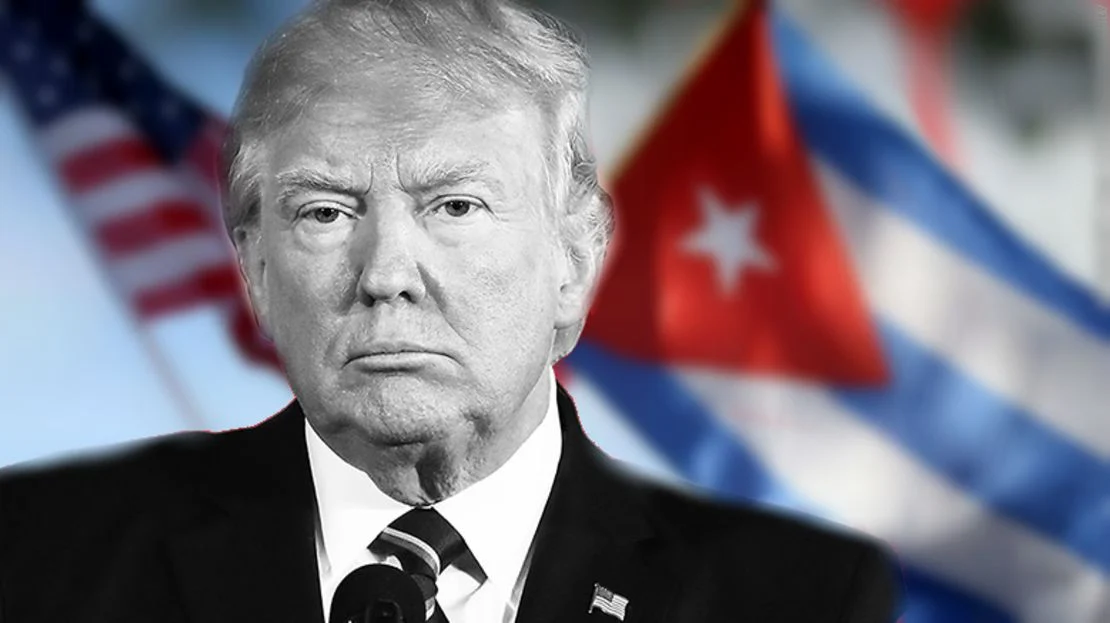
In this edition, we look at how the fall of Nicolás Maduro has left the Cuban government in its most vulnerable position in decades. Donald Trump’s second administration has made clear that Cuba is a direct target in its push for hemispheric dominance—what the White House calls the Trump Corollary. The president’s public warnings, Marco Rubio’s central role in foreign policy, and the tightening energy squeeze on Havana all signal a strategy aimed at forcing Cuba’s ruling elite into hard choices.
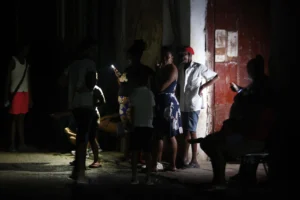
But the external shock of losing Maduro’s backing exposes more than it creates: an economy exhausted by years of stagnation, a productive model that can’t sustain itself without external subsidies, and a society battered by blackouts, shortages, and mass emigration. Venezuela is a catalyst, not a structural cause of Cuba’s crisis. The dilemma for Havana isn’t just whether to resist or negotiate with Washington, but whether it’s willing—or even able—to undertake deep reforms to redefine its relationships with the Cuban people, the diaspora, markets, and the very concept of political power.
Throughout this newsletter, we examine the real limits of external pressure, how skeptical experts are about an automatic collapse of the regime, and the internal tensions running through both the Cuban state and a fragmented opposition. We also address a key question: what would Cubans put on the table if a dialogue between Havana and Washington were to materialize? Time is working against Cuba’s leaders, who find themselves at a new—yet not unfamiliar—crossroads: open up now, or pay a higher price for change from a weaker position tomorrow.