After weeks of escalating tensions between Washington and Havana—marked by heated public statements, not-so-secret talks, a so-called oil blockade, and even a deadly boat incident within Cuban national waters—the public confrontation appears to have entered a temporary pause. Fewer announcements, perhaps more calibration, presumably until the conflict in the Middle East cools down.
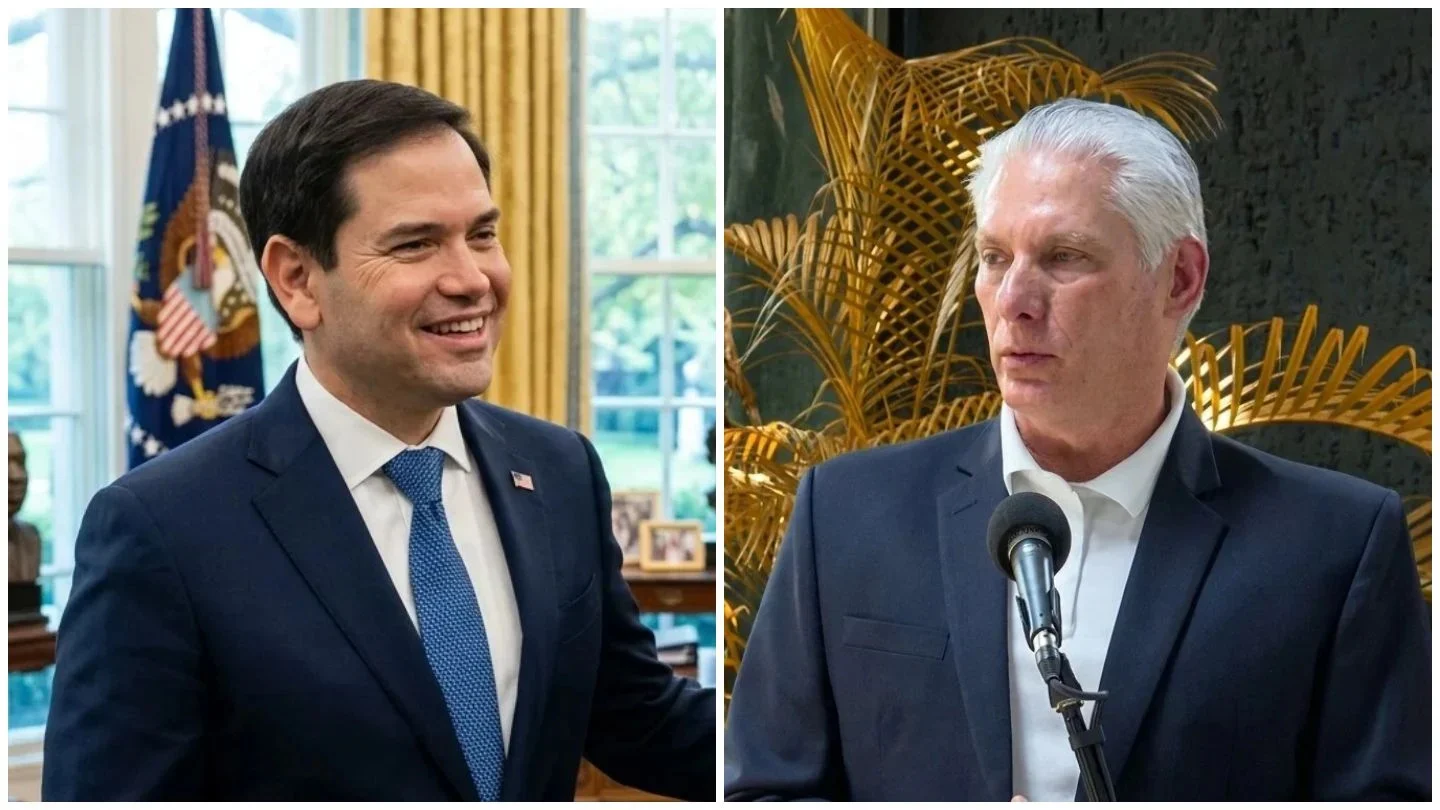
The most relevant recent remarks come from both sides of the negotiating table. Cuban President Miguel Díaz-Canel gave an interview to Newsweek, published yesterday, restating Cuba’s negotiating posture: willingness to talk, conditioned on respect for sovereignty, and warnings about the costs of escalation—offering little new substance. Days earlier, at the G7 summit in France, Secretary of State Marco Rubio mirrored that clarity from the U.S. side, rejecting any deal that separates economic reform from political change. “Cuba’s economy needs to change, and their economy can’t change unless their system of government changes,” Rubio told reporters, making clear that President Trump won’t settle for superficial or temporary adjustments. Though after last night’s ceasefire deal with Iran, who knows?
Both statements, while breaking no new ground, sharpen the contours of what remains a narrow path to agreement.
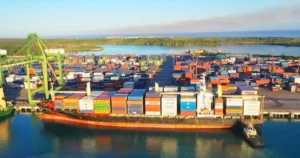
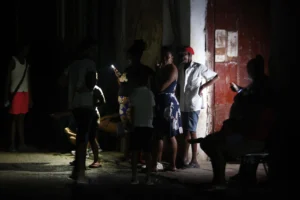
From Washington, the squeeze on oil shipments remains the main pressure tool, though recent approvals for Russian tankers and exports to Cuba’s private sector have kept the island from complete paralysis, affording Havana some room to maneuver. The Trump administration seeks to impose just enough pressure to force concessions, while avoiding a humanitarian collapse that could complicate matters further.
In parallel, the Cuban government has made its own moves. A partial opening of the fuel market and efforts to attract foreign capital, both toward the island’s private sector, point to notable economic adjustments, at least on paper, though their real impact remains uncertain. The release of more than 2,000 prisoners fits this pattern. Framed as a “sovereign” decision, the move is unlikely to be coincidental. In the past, similar “goodwill” gestures have aligned with periods of dialogue with the United States. It remains unclear how many of those released are political prisoners—a key demand from Washington, the regime’s opposition, and Cuban civil society.
As noted in previous editions of our newsletter, the signals point to a possible economic reconfiguration with political continuity. In that context, external pressure, internal adaptability, and the geopolitical environment will remain decisive factors.