The recent approval of 176 measures across 23 economic policy areas represents the broadest opening to private enterprise and market forces the Cuban government has attempted since 1959. Expanding the private sector’s role, opening to foreign investment, developing financial markets, and decentralizing economic decision-making amount to an open acknowledgement that the existing model has failed.
For now, the government’s sense of urgency appears real. Several of the measures approved less than two weeks ago have already been enacted, including the lifting of price caps on household staples such as chicken, cooking oil, and milk; the approval of pending private business applications; and the official creation of an institute to manage state assets more efficiently — the National Institute of State Enterprise Assets, modeled on China’s State-Owned Assets Supervision and Administration Commission (SASAC).
Still, Cuba’s recent history warrants caution. Previous reform efforts were slowed, diluted, or reversed once they began to upset the internal balance of power within the regime. The reform-reversal cycle — a product of the regime’s slow, consensus-bound decision-making — is also growing shorter with whipsaw speed: this month’s measures reverse restrictions imposed on the private sector in 2024 — only three years after small and medium-sized enterprises were legalized in 2021.
Most economists and analysts agree the reforms are unlikely to attract the investment and financing Cuba needs unless they are backed by secure property rights, regulatory stability, and a clear roadmap for implementation. The external environment is also far less favorable than during previous reform attempts, with tougher U.S. sanctions, growing financial isolation, a persistent energy crisis, and a rising external debt burden — leaving Cuba unattractive to all but the most adventurous investors.
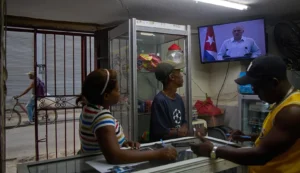
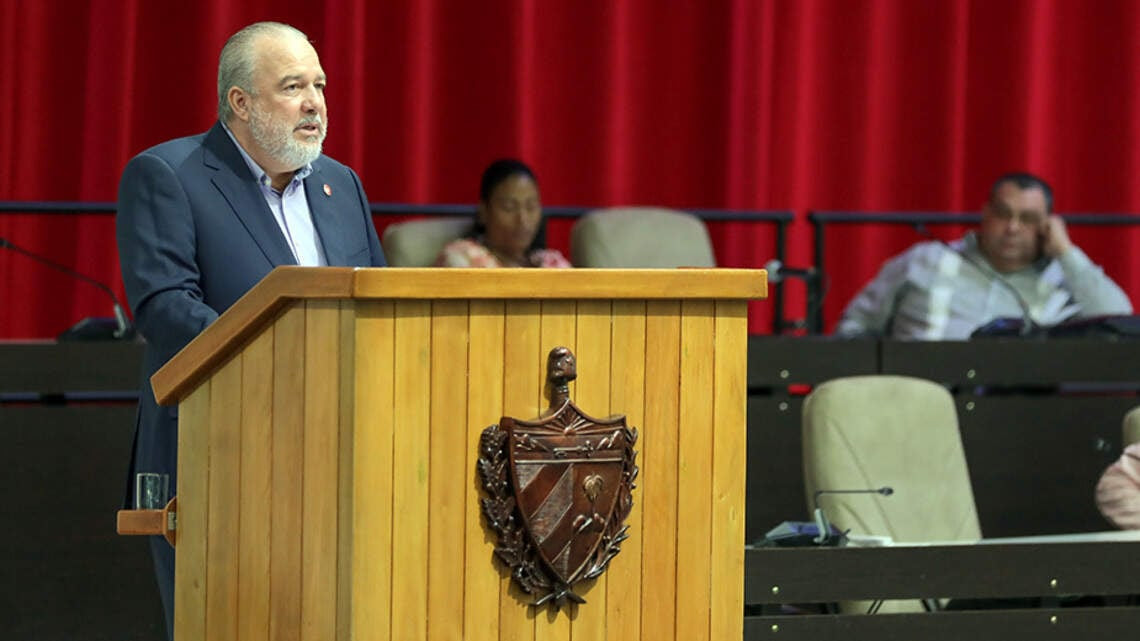
There are also no signs of political opening. The reform package presented by Prime Minister Manuel Marrero makes no mention of democratization, the release of political prisoners, pluralism, or expanded civil liberties — glaring omissions that have drawn fierce criticism both on and off the island.
Against this backdrop, the death of Ramiro Valdés — one of the last surviving commanders of the Cuban Revolution and a leading figure of the regime’s hardline faction — marks another turning point. At 94, Valdés was among the final living links to the founding generation of 1959, now reduced to essentially Raúl Castro and Guillermo García Frías. With most of the revolutionary generation now gone or in their 90s, a leadership transition is inevitable in the coming years.
In this edition, we examine the real scope of the new reforms, the obstacles to their implementation, the intensifying U.S. pressure campaign — including new sanctions, court rulings, and the regime’s growing financial isolation — and the case made by economists that, without institutional reform and an agreement with Washington, Cuba’s economic recovery will remain out of reach.