Over the weekend, the New York Times reported that Secretary of State Marco Rubio has become the “de facto viceroy of Venezuela” — controlling its finances, natural resources, and government from Washington. His instrument is a compliant chavista holdover: former vice president and now acting president Delcy Rodríguez, installed after U.S. forces captured Nicolás Maduro in January. It is the clearest picture yet of what the Trump administration builds when it holds decisive leverage over a defeated adversary: a cooperative interlocutor as head of state, able to command the bureaucracy and security forces; sanctions relief and investment on-ramps for U.S. industry; and democracy deferred to a later, undefined phase. For Cuba, the question the model raises is unavoidable: could a version of it soon extend to Havana?
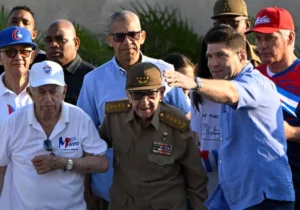
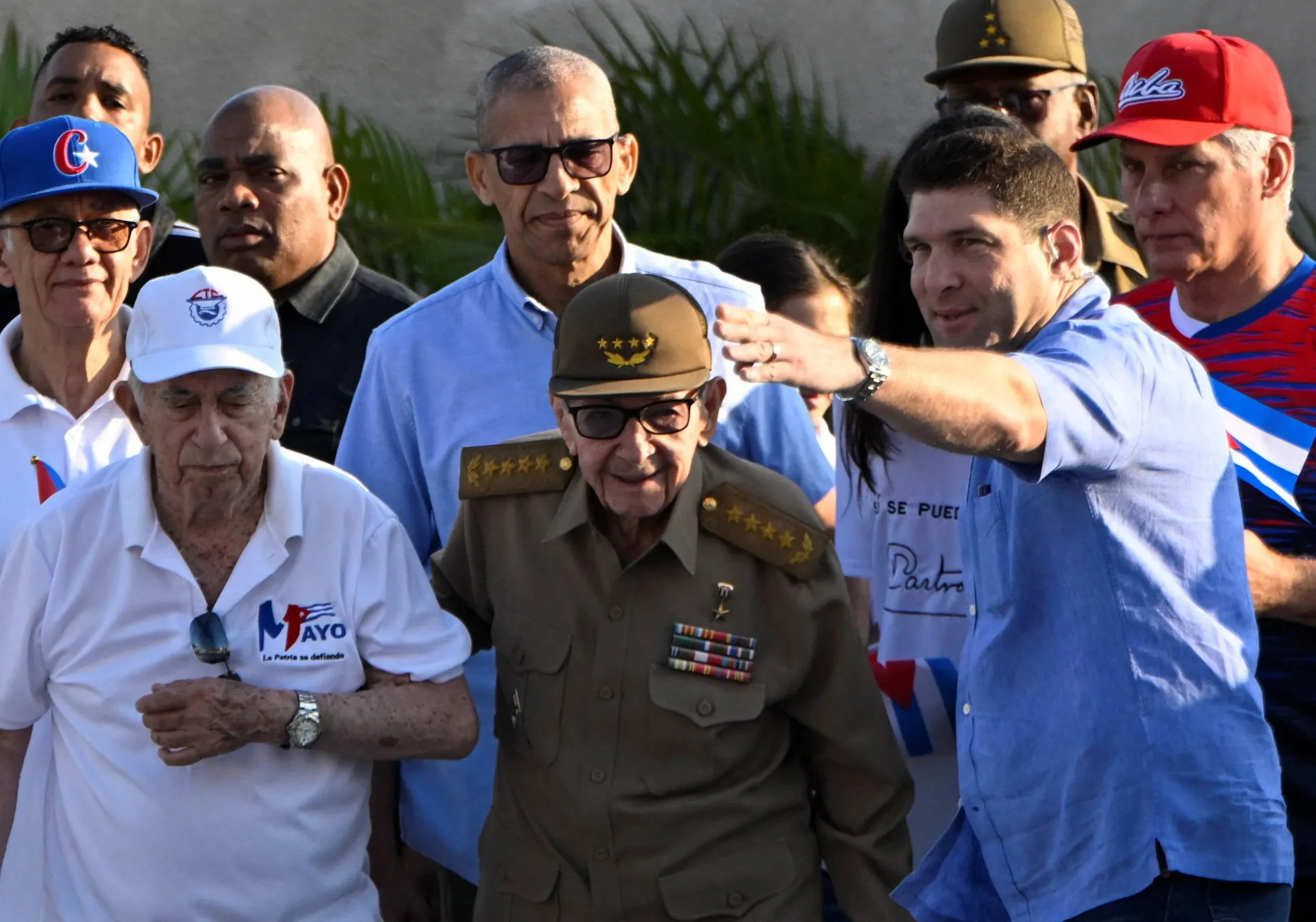
That question ran beneath nearly every Cuba development of the past week. Secretary Rubio marked the fifth anniversary of the July 11, 2021 protests with a statement renewing pressure on Havana to free political prisoners and pursue genuine economic and political reforms. Two days later, the State Department imposed sanctions on ten Cuban entities tied to the regime’s main revenue streams and security apparatus. Yet even as it tightens the screws, the administration continues to probe for an interlocutor — much as it found one in Venezuela. An extensive USA Today profile introduced Raúl Guillermo Rodríguez Castro, a grandson of Raúl Castro known as “Raulito” or “El Cangrejo,” reported since February to be in contact with Rubio. In it, he signaled his willingness to negotiate with President Trump. Despite an immediate internal uproar, Cuban state and party leaders quickly closed ranks around him, formally endorsing El Cangrejo as part of the negotiating team — even as the United States confronted Cuba head-on at the U.N. General Assembly.
The backdrop to all of it is a Cuban government with steadily less room to maneuver. The collapse of tourism, mounting disruption from fuel shortages, foreign companies restructuring to escape U.S. sanctions, and the sudden disappearance of dissident artists Luis Manuel Otero Alcántara and Maykel Osorbo — removed from their prisons days before their sentences were due to end — all point in the same direction. Pressure is nearing the boiling point. The question is whether Havana negotiates its own terms while it still can, gambles that it can run out the clock on Rubio, or waits until, like Caracas, it has no terms left to offer.