After weeks of “Cuba’s next” euphoria in Miami and Washington, Secretary of State Marco Rubio is recalibrating expectations. In an August 7 interview with Axios, he reached not for the language of imminent collapse but for the vocabulary of the long game: “One of the things we’ve lost in American foreign policy and geopolitics is the concept of patience and persistence.”
The strategy he described is attritional: closing the regime’s escape valves one by one, denying Havana time, and letting mounting pressure force its hand. Cuba, he warned, “certainly can’t wait us out.”
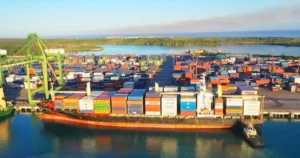
The campaign has produced one quiet, strategic gain: light fuel has overtaken agricultural goods as the leading U.S. export to Cuba. In the first half of 2026, U.S. companies sold nearly $96 million in gasoline and diesel to the island’s private sector — more than half of it in June alone, according to the U.S.-Cuba Trade and Economic Council.
The administration is simultaneously letting fuel reach humanitarian organizations on the island. Cuba is thus growing dependent on the United States for a resource essential to any economy, and existential for one crippled by blackouts and a collapsing grid. The policy’s logic is to control where the oxygen enters, and who receives it: if fuel becomes the decisive lever in any future scenario, Washington has positioned itself at the valve.
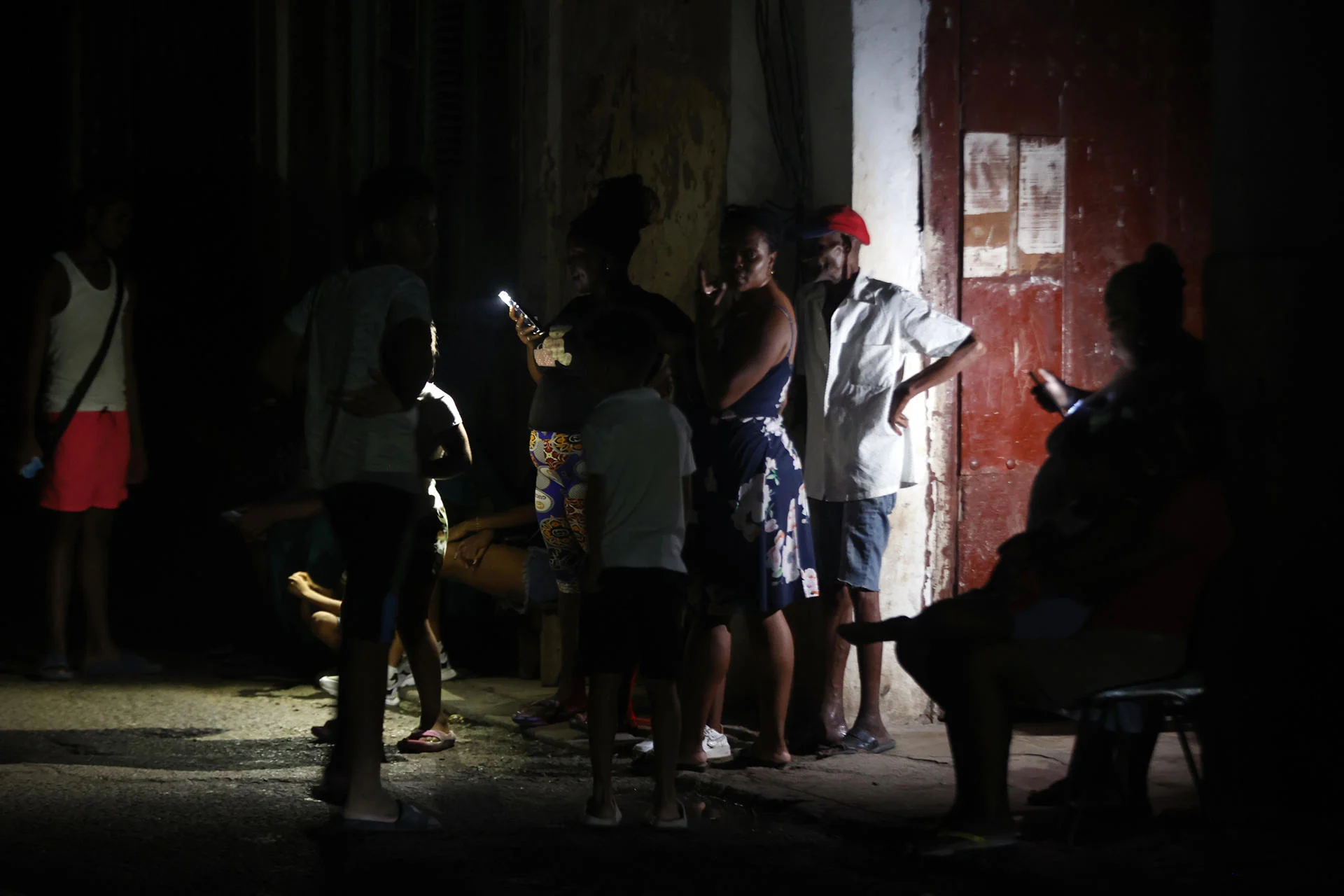
But that leverage comes at a steep cost for the Cuban people. Market-priced fuel is deepening inequality on an island where most people cannot afford it, and the humanitarian toll is mounting. As Axios put it, “Because of the pressure campaign, Cuba is now a de facto renegade colony of the U.S., upon which it now relies for most of its food, fuel, medicine and currency — all of which are scarce on the island.”
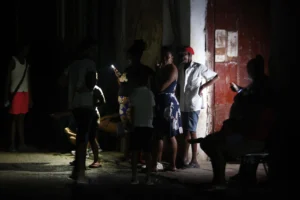
A group of UN experts warned last week that “the humanitarian consequences are already unfolding into a full-blown crisis, threatening the rights to health, to life, to food and to development,” citing uncollected waste piling up in parts of Havana and a rising risk of disease. Without swift action, they cautioned, Cuba “risks becoming a ‘silent Gaza.’”
Which makes a gap in the strategy hard to justify. U.S. economic statecraft has grown sophisticated enough to target Cuba’s most obscure state-linked operators, yet there is still no comparable effort to pull private-sector activity out of the black market and into a formal and scalable cross-border economy that can mitigate the humanitarian crisis on the ground.
Treasury and Commerce already hold the tools, including the capacity to broadly authorize transactions outside the state system. What they lack is political direction from the White House. A pressure campaign that can find every escape valve for the regime has not yet built an on-ramp for the independent Cubans it claims to champion.
Into that vacuum steps China. As subsidized oil recedes, Beijing has gained ground through solar panels, technology, and technical assistance, partly paid for in nickel. Cuba’s imports of Chinese solar panels have risen more than 1,800% in five years, though a shortage of batteries and the crumbling grid blunt their impact. Cuba may simply be trading dependence on oil for dependence on Chinese technology and financing, and bargaining from bankruptcy as it does.
None of this appears to move Havana. Addressing the National Assembly, President Miguel Díaz-Canel insisted that the 176 measures to liberalize and decentralize the economy — the most sweeping restructuring the Castro system has proposed in decades — are a sovereign decision, not a response to U.S. pressure, despite having conceded the opposite in the past. For public consumption, at least, the standoff is between a U.S. government that says it is in no hurry and a Cuban government that appears to be in even less of one.
We explore all this and more in this week’s newsletter.