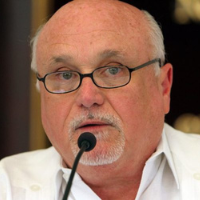
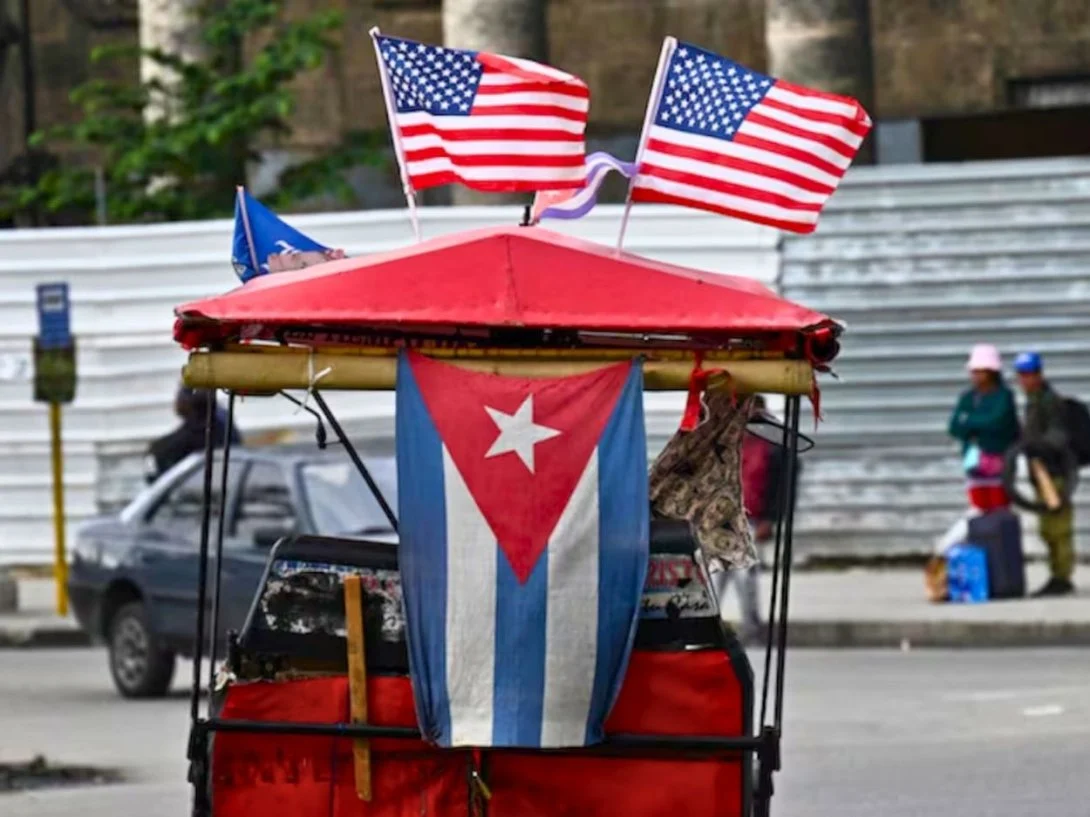
After weeks of rumors, media leaks, and official denials from Havana, Cuban President Miguel Díaz-Canel publicly acknowledged what the White House had long asserted: senior officials from both governments are holding talks, with Raúl Castro, who is technically retired, leading the effort from the Cuban side.
According to a New York Times report that has since been criticized, though not expressly denied, by Trump administration officials, the American president expects Díaz-Canel to step down as a condition for advancing an agreement. Washington views him as overly ideological and an obstacle to economic reform. The report also cited sources claiming that Castro’s grandson, Raulito aka “El Cangrejo”, could end up calling the shots on behalf of his grandfather while a new figurehead is chosen to lead the government— a deeply “through the looking glass” outcome should it occur.
Available reporting suggests the U.S. is willing to pursue a gradual economic opening—including the entry of U.S. companies—without requiring the Castro family to leave the core of power. In parallel, the Cuban government has announced it will allow émigrés to invest in the private sector and open foreign-currency accounts. The new measures are a bid, ostensibly, to mend fences and attract diaspora capital, though given the timing, are more clearly read as a last-ditch attempt to appease the White House. The announcement sparked fierce debate in the exile community, where some warn such reforms could further entrench the ruling elite, while Secretary Rubio immediately dismissed the measures weren’t “dramatic enough.”
For now, despite a flurry of movement on both fronts, signs suggest that talks (or negotiations?) may have stalled. Or as they say in Cuba, “se trancó el dominó.”
As we wait for Havana and Washington to break the impasse, conditions continue to deteriorate for the Cuban people. Amid growing social unrest, hundreds took to the streets with pots and anti-government chants in Morón, Ciego de Ávila last weekend. Protesters stormed the local Communist Party headquarters, and independent outlets reported a person wounded by gunfire—claims that were later disputed and denied by the government.
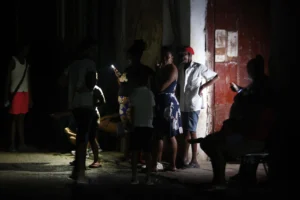
Three days later, the national power grid collapsed again, leaving the country in another nationwide blackout.
We cover all this and more in this week’s newsletter.