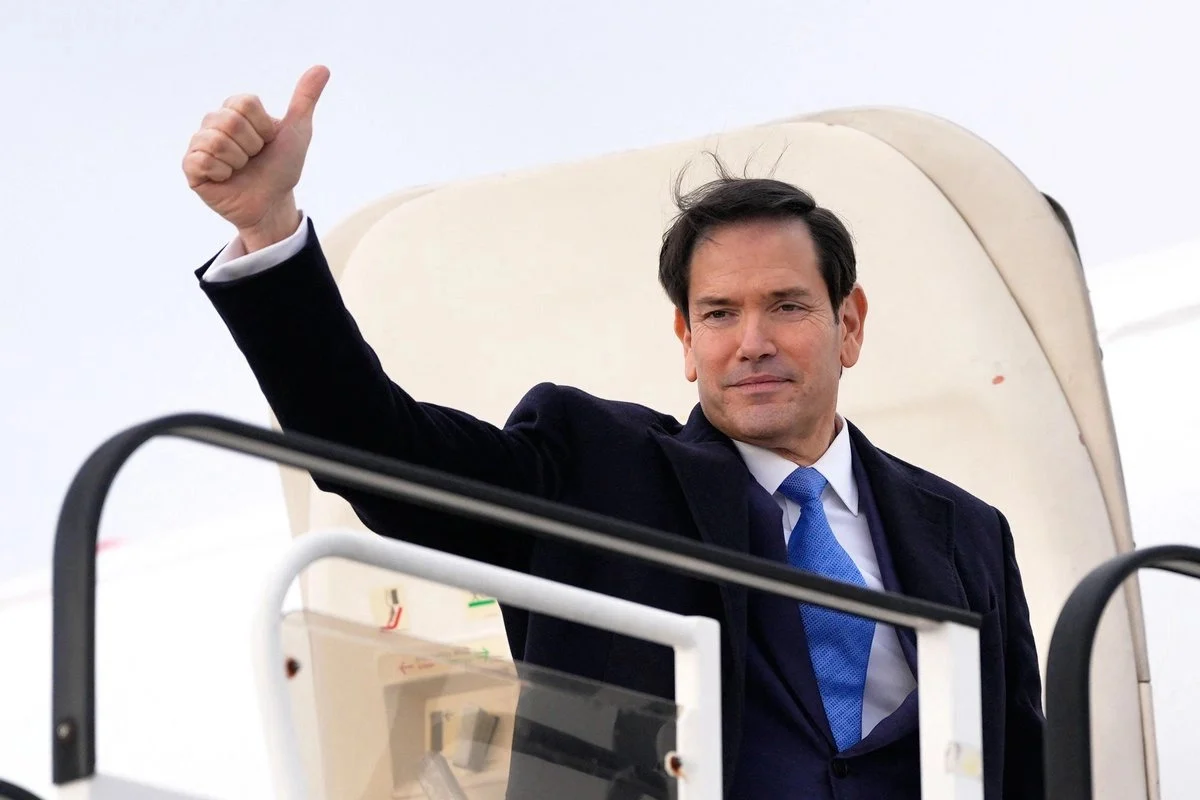
Reports of possible conversations between Secretary of State Marco Rubio and Raúl Guillermo Rodríguez Castro—”El Cangrejo,” grandson of Raúl Castro—add a new variable to Washington’s Cuba strategy. This past weekend brought further clarity: the Trump administration has made economic reform central to its pressure campaign. Speaking in Munich, Rubio said an economic opening could be “one possible way forward,” insisting that Cuba’s model, now deprived of external subsidies, has been laid bare. It is the clearest signal yet that Washington is weighing a pragmatic approach that could achieve progress, if Cuban interlocutors prove willing and able to negotiate.
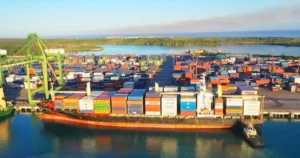
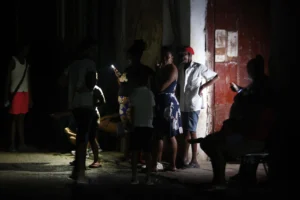
Meanwhile, headlines emerging from the island portray a country barreling toward catastrophe. The Cuban government announced it had barely enough fuel to guarantee air operations—a devastating blow to a tourism sector in steep decline since the pandemic. Among new measures to ease the strain, authorities announced that the private sector could import diesel and gasoline, effectively ceding the state’s [read GAESA’s] monopoly on fuel imports and sales. Foreign business executives describe an economy virtually paralyzed by blackouts and fuel shortages: thousands of tons of imported food wait at ports, hotels are closing, mining operations are shutting down, and companies are sending employees home. Inflation appears to have no ceiling, with the dollar breaking the 500 CUP threshold on the informal market.
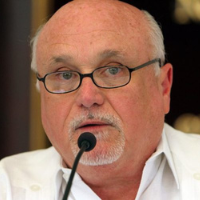
From the United States, Cuban American entrepreneurs who for decades envisioned rebuilding Cuba now question whether rapid transition is even economically viable, given the scale of structural deterioration.
Amid expectations of change, fears of collapse, and conflicting reports of negotiation, Cuba’s immediate future appears more uncertain than inevitable.