Back in 1992, Andrés Oppenheimer published Castro’s Final Hour, famously heralding the looming demise of the Cold War comandante. Fidel went on to rule for well over a decade and survive another twenty-four years after the book appeared.
But could the same be said today about Cuba’s current president?
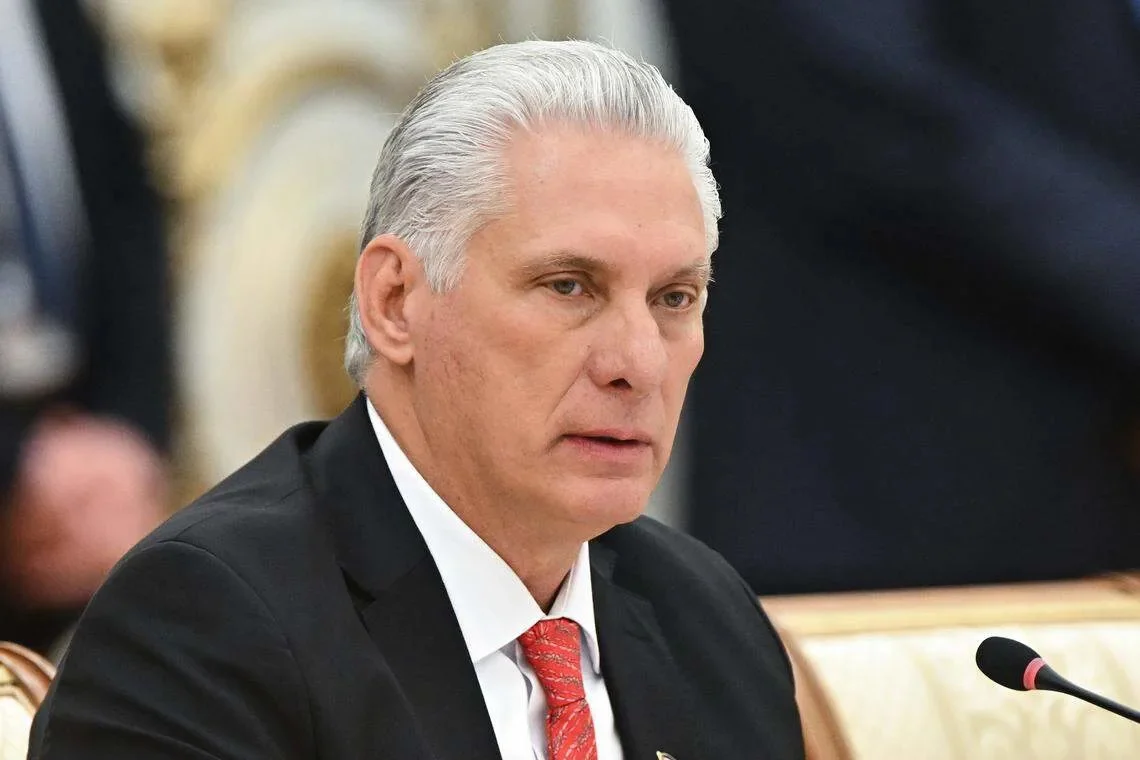
According to a report by the Miami Herald’s Nora Gámez Torres, the Trump administration has been signaling in quiet conversations with Cuban interlocutors that Miguel Díaz-Canel cannot be part of any political arrangement that might eventually emerge between the two countries. If true, it raises an unavoidable question: if Raúl Castro’s handpicked successor is already off the table in talks between Washington and the Castro family itself, who will Cuba’s next leader be — and from where will he or she emerge?
Secretary of State Marco Rubio has neither confirmed nor denied reports of direct conversations with Raúl Castro’s grandson, but maintains that Cuba must change and that Washington will consider any proposal that expands economic freedom. To that end, the administration has bet on the Cuban private sector as a strategic partner. By authorizing fuel exports to private small and medium-sized enterprises, Washington is simultaneously seeking to mitigate the humanitarian crisis and increase its leverage over the Cuban state — a bet that SMEs, which now outnumber state entities in key sectors, can serve as a wedge even as the State retains control over GDP and strategic industries.
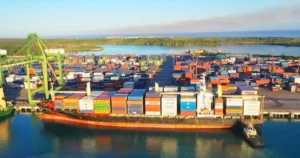
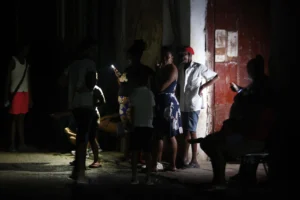
On the ground, tensions keep escalating. The White House withdrew its threat of secondary tariffs on third-country oil exports to Cuba following a U.S. Supreme Court ruling, though broader energy pressure remains intact. Havana is attempting to circumvent the squeeze through shipments from Russia and Panama and more discreet import schemes, even as fuel shortages continue to shape conditions at home. A confrontation in coastal waters off Villa Clara left four people dead aboard a Florida-registered speedboat, triggering a brief political crisis before the world’s attention shifted to Iran.
The spiraling situation has drawn in regional and international actors. Canada announced immediate humanitarian assistance for food purchases; Mexico shipped nearly 1,200 tons of staple goods; and CARICOM expressed political support amid concerns over regional instability. In Rome and later Miami, U.S. chargé d’affaires Mike Hammer called for international backing for a “peaceful and swift” transition, arguing that reconstruction is achievable if pressure and opening are combined.
Between negotiation and confrontation, humanitarian assistance and selective asphyxiation, Cuba is entering a phase of breakneck upheaval, with no clear sense yet of where it leads. We explore all this and more in this week’s newsletter.