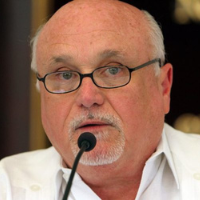
In this week’s edition, we explore whether Cuba’s deepening crisis might create an unexpected opening for pragmatic engagement. As OnCuba publisher Hugo Cancio argues in a recent op-ed, the country’s recovery depends on two fundamental pillars: a dynamic private sector capable of generating real opportunities, and a diaspora recognized and embraced as a legitimate actor. More than 11,000 MIPYMEs—many directly supported by the diaspora—have already demonstrated that when given space, Cubans innovate and sustain markets despite excessive bureaucracy and regulatory instability.
Cancio’s analysis suggests that empowering Cuba’s private sector and embracing its diaspora could align with the Trump administration’s hemispheric priorities of migration control and regional stability. “A strong private sector is not ideology,” he writes. “Recognizing the diaspora is not a concession. Both are pillars of national recovery.” Whether Cuba’s government will seize this opening remains the critical question—and the answer will determine whether the island continues its decline or begins to rebuild.
Yet while any path toward this kind of pragmatic engagement remains distant, bilateral tensions continue to simmer. Havana rejects narcotrafficking accusations tied to Chavismo and denounces Washington’s political use of the issue, even as it fears being dragged into Venezuela’s crisis—its principal source of energy support. Meanwhile, the U.S. immigration crackdown intensifies, cooperation agreements remain frozen, and aid promised after Hurricane Melissa has yet to reach the island, extending a humanitarian crisis affecting Cuba and the wider Caribbean. We also look at the accusations behind the life sentence handed this week to Cuba’s disgraced former Deputy Prime Minister.