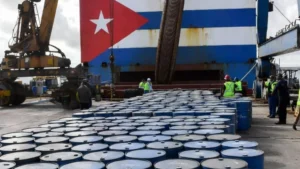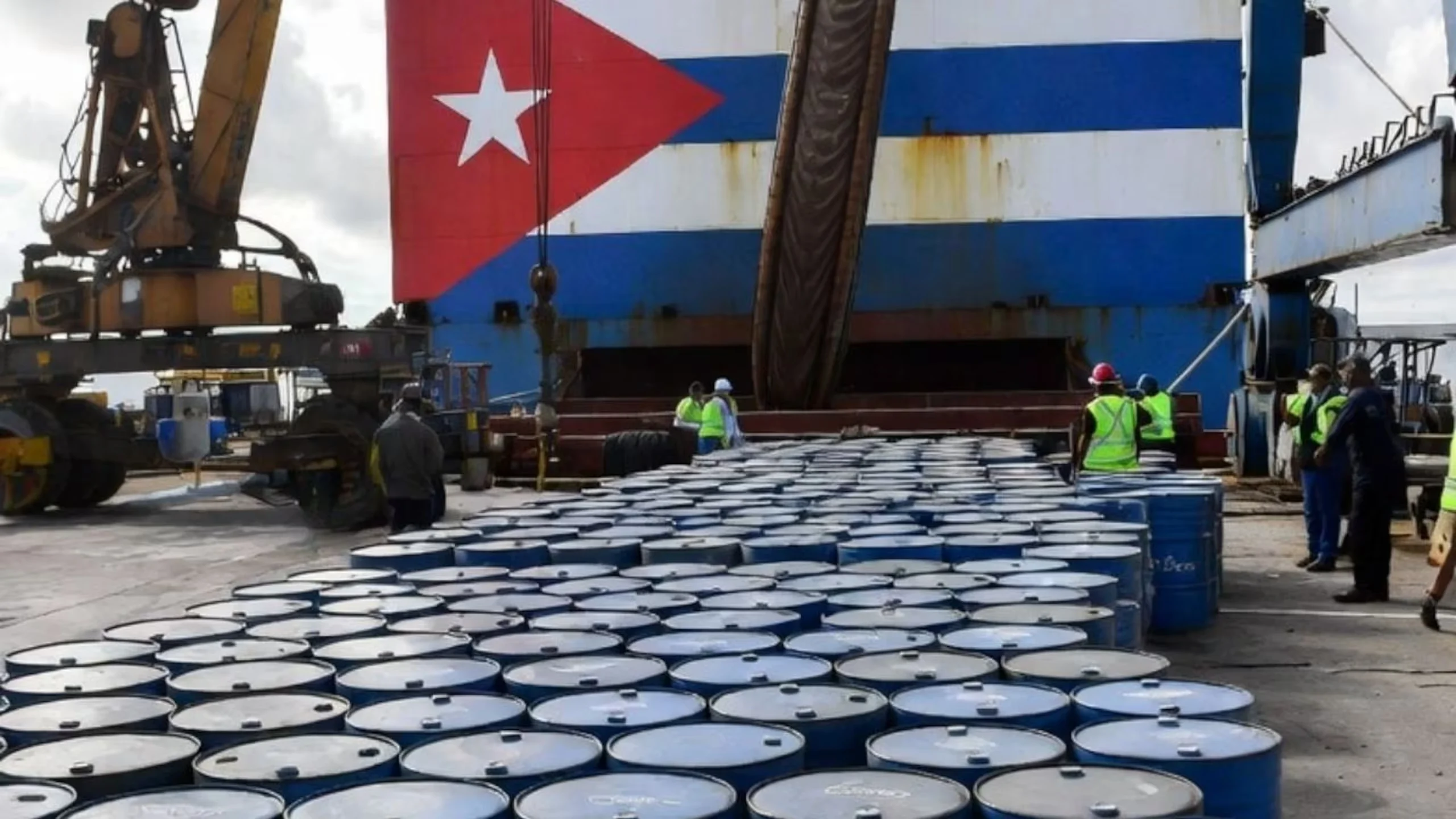
Last week, The Economist argued that President Trump may have stumbled onto his most effective tool against Havana. His fuel blockade pushed the Cuban state to surrender its monopoly over fuel imports — and made the United States the direct supplier to the island’s private sector. We examine the magazine’s case, along with new U.S. Census Bureau corrections showing the trade shift is significant but far smaller in volume to date than first reported: cumulative diesel exports through August were revised down by roughly three-quarters, even as export values held steady at more than $166 million in gasoline and diesel.
Still, Washington appears to be working against itself. The administration touts the private sector’s “privileged position,” and boasts that its policy “has already caused the largest ever privatization of Cuba’s economy.” Yet on September 30 it reversed the rule letting Cuban entrepreneurs bank with U.S. institutions, and on October 15 it sanctioned Banco Internacional de Comercio (BICSA), which holds accounts for foreign companies, private businesses, and authorized U.S. exporters.
Opening the door to imports offers little room for growth if buyers struggle to pay for them. Meanwhile, the license granted to Sherritt International, reportedly secured with help from Republican donor Ray Washburne, whose firm seeks a 55% stake in the miner, shows that sanctions remain negotiable — now with a U.S. investor in the picture.
Within Cuba, a sweeping new Housing Law has replaced the 1988 framework. Taking effect on October 21, it allows Cubans to own two homes, ends the confiscation of emigrants’ property, and opens the market, at least formally, to foreign buyers, while preserving the authorities’ broad powers to intervene. The dollar’s rise to 800 pesos, meanwhile, underscores the monetary instability businesses and households must navigate.
This edition also examines the Catholic Church’s growing role as a safety net, from distributing U.S. aid through Cáritas to caring for elderly women through blackouts and shortages. It covers the detention of Pastor Ariel Limias after protesting in Havana and the new artwork in the cathedral’s oculus. Beyond the island, it looks at the political preferences of Cubans in Spain and voting restrictions affecting some Spanish citizens abroad who obtained citizenship under the Grandchildren Law.