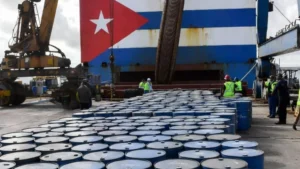

Washington’s relationship with Cuba’s private sector increasingly resembles a game of he-loves-me, he-loves-me-not. U.S. exports to the island rose 60% through July, and cargo ships have made more than 200 trips this year carrying food, fuel, vehicles, and solar equipment, most of it bound for private businesses. In July alone, U.S. firms shipped 3.22 million barrels of petroleum products to Cuban private businesses. Available records show that no single supplier matched that volume in any month of the past decade. Cuba now depends for fuel — a strategic resource — on the same government seeking to force political change in Havana.
Then, on Sept. 30, the Trump administration cut those same private businesses off from U.S. banks. New rules bar banks under U.S. jurisdiction from opening or maintaining accounts for independent Cuban entrepreneurs, freeze existing accounts, and revoke authorization for “U-turn” transfers. And just this week, federal agents seized 90 fuel shipments that one exporter says were bound for licensed private buyers. Washington lets the private sector import the goods that keep the island running but denies it the financial tools to pay for them. The result is a country kept on life support, with the private sector delivering the support and Washington refusing to strengthen it.
In Cuba, the sentencing of Anna Bensi and her mother exposes the persecution of those who challenge official conduct. Both received two years of restricted liberty after recording and posting a police officer’s visit to deliver a State Security summons. The government turned that recording into a charge of violating the officer’s privacy. “It’s not a weapon, it’s a phone,” Bensi said before the trial.
The proceedings were accompanied by arrests and surveillance to prevent activists and religious leaders from attending in support. Journalist Henry Constantín and El4tico creators Ernesto Ricardo Medina and Kamil Zayas Pérez also remain behind bars. Prosecutors are seeking eight years for Medina and 10 for Zayas. Even as it announces economic changes, Havana uses the police and courts to silence critical voices.
We explore all this and more in this week’s Cuba Review.