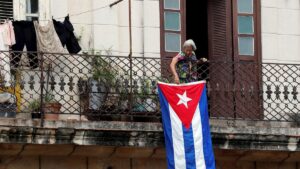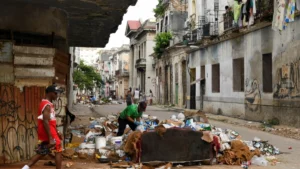
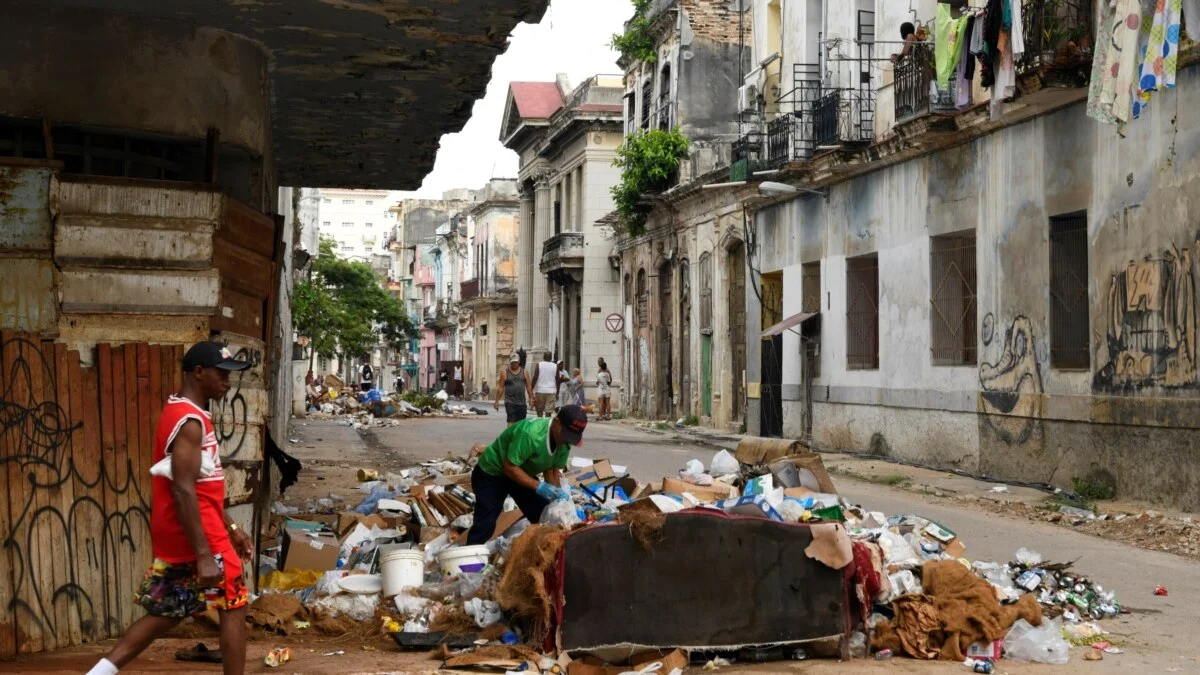
As Cuba’s humanitarian emergency deepens, the Cuba Study Group last week urged both Washington and Havana to clear sanctions barriers and bureaucratic obstacles that unecessarily restrict urgently needed relief, warning that the crisis has reached “an alarming stage.” Its recommendations include humanitarian carve-outs for third-country fuel donations, a general license for medical aid, access for U.S. assistance to reach the state-run hospitals where most Cubans are treated, and a working financial corridor for churches, aid groups, and private businesses. All of it targets a hard reality: energy and supplies are not reaching enough of the people who need them, and neither government’s current posture is fixing it.
The CSG’s appeal lands amid jarring contradictions. Even as Washington tightens the screws — blacklisting another branch of the Castro family, a state foreign-trade bank, and more energy and mining firms — bilateral trade continues to break records. U.S. exports to Cuba hit a monthly record in July, making the United States the island’s dominant supplier of food, fuel, and vehicles, much of it flowing to the private sector. The composition has flipped: six years ago nine of every ten dollars Cuba spent in the U.S. went to food; today the growth is in fuel and vehicles for private businesses. The sanctions themselves, a new Miami Herald exclusive reveals, followed the collapse of a secret U.S. offer earlier this year to supply Cuba’s oil and rebuild its grid, on condition that Havana privatize its state oil company and President Miguel Díaz-Canel step down.
Havana, meanwhile, is trying to widen its own room to maneuver through the broadest private-sector reform since it authorized MIPYMES in 2021. New rules recognize companies with more than 100 employees, let Cubans living abroad become business partners, and expand direct trade. In all, it could prove a significant opening, but one whose implementation, durability, and true scope remain subject to a political system that retains broad power to restrict or reverse it.
Behind all of it, the strain is showing: street protests fell in August, not from relief but from exhaustion; Raúl Castro resurfaced after rumors that he was gravely ill or dead; and U.S. migratory crackdowns continue to reach Cubans abroad, with musician Degnis Bofill released on bond after more than two weeks in ICE custody.
This edition of Cuba Review examines that landscape: a tightening squeeze, paradoxical record trade, cautious reforms, and a humanitarian emergency that neither government’s core position is doing much to relieve.