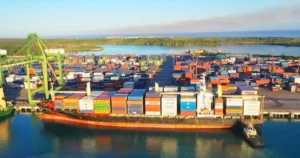
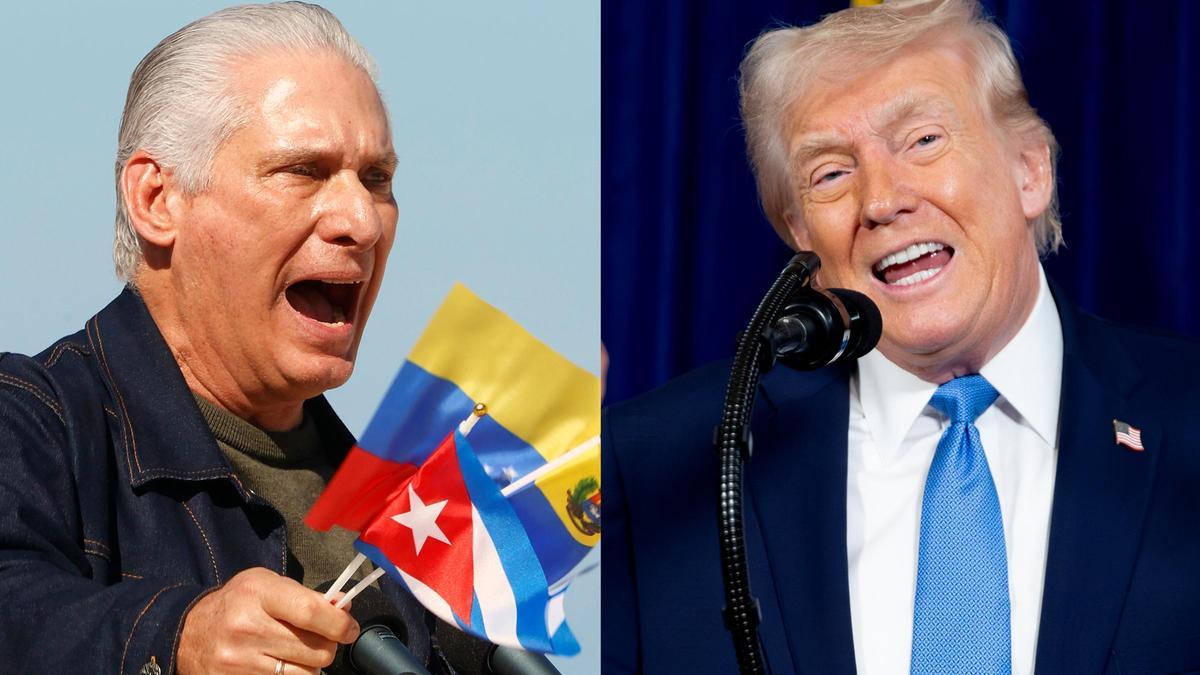
Last week, President Donald Trump invoked emergency powers to declare Cuba an “unusual and extraordinary” threat to U.S. national security, marking a fundamental escalation in bilateral tensions. The use of emergency powers to impose secondary tariffs on countries shipping oil to the import-dependent island confirms that Cuba has moved to the center of the White House’s hemispheric priorities. Washington aims to send Havana a clear message: this time it’s different.
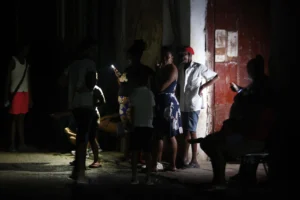
And so far, it does seem different. The capture of Nicolás Maduro and the rupture of the Caracas–Havana axis have left the Cuban government without its main external lifeline just as the island’s economic and social crisis deepens to unprecedented levels. Prolonged blackouts, acute shortages of fuel and food, and mass emigration paint a picture of such severe internal fragility that foreign embassies and companies are reportedly reviewing evacuation and contingency plans. All the while, Cuban leaders appear paralyzed, clinging to the exhausted orthodoxies of their old playbook, incapable or unwilling to embrace market and political reforms that can pull the country out of the morass.
In this bulletin, we examine the key developments of this new phase: the scope of Trump’s executive order, proposals from the Catholic Church, the exile community, and Congress, the impact of the Venezuelan precedent, and diplomatic alarm bells in Havana.
What is certainly not different are the enduring questions at the heart of this saga: will external pressure force change in Cuba this time, or will the regime once again choose defiance over concessions?